Make Supply Chain Data a Competitive Advantage
Proudly Serving These Innovators






End-to-End Logistics Analytics with Dataplatr

Logistics Data Strategy and Roadmap
Define the right analytics priorities across freight, warehousing, inventory, and last-mile, with AI use cases scoped alongside traditional KPI work from day one.

Multi-Source Data Integration
Connect TMS, WMS, ERP, carrier APIs, IoT sensors, fuel data, and order management systems into one clean, AI-ready data layer, structured for both reporting and model training.

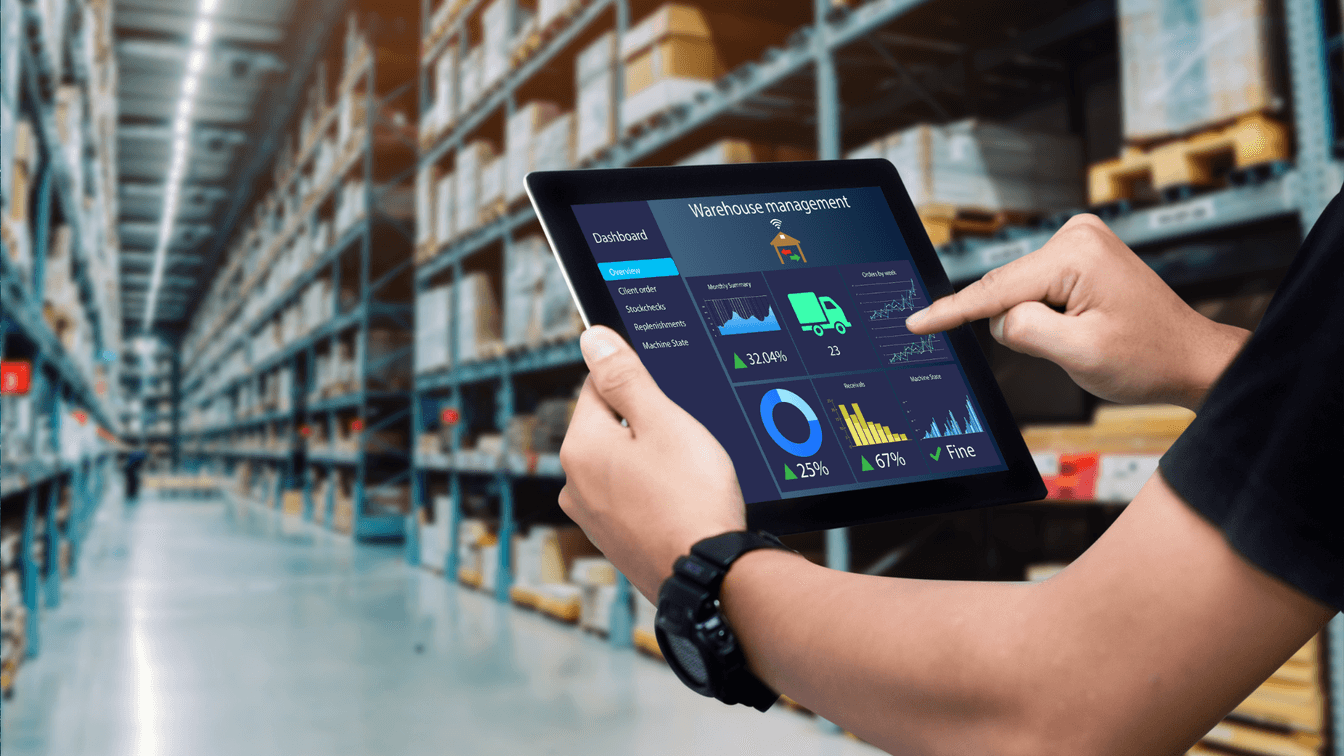
Ops and Executive Dashboards
Replace spreadsheet-heavy reporting with live dashboards for lane performance, warehouse KPIs, and delivery SLAs with AI-generated commentary highlighting what changed and why.

AI Anomaly Detection and Alerting
Continuous AI monitoring flags delivery delays, carrier performance drops, and cost spikes the moment they deviate from expected patterns, before they compound.

Predictive Demand and Volume Models
ML-driven forecasting for shipment volume, seasonal surges, and lane demand, so procurement, capacity, and staffing decisions are made on foresight, not hindsight.

Ongoing Analytics Management
Keep dashboards accurate, AI models retrained on fresh data, and reports reliable as your network, carriers, and business priorities evolve.
Start with a Logistics Analytics Pilot Program
- 2–4 week pilot engagement
- Use-case-driven logistics implementation
- Measurable ROI before scaling
- Joint execution with Dataplatr analytics teams
How AI-Powered Analytics Improves Logistics Operations
Dataplatr uses AI across logistics analytics to track issues, predict risks, and support faster decisions.
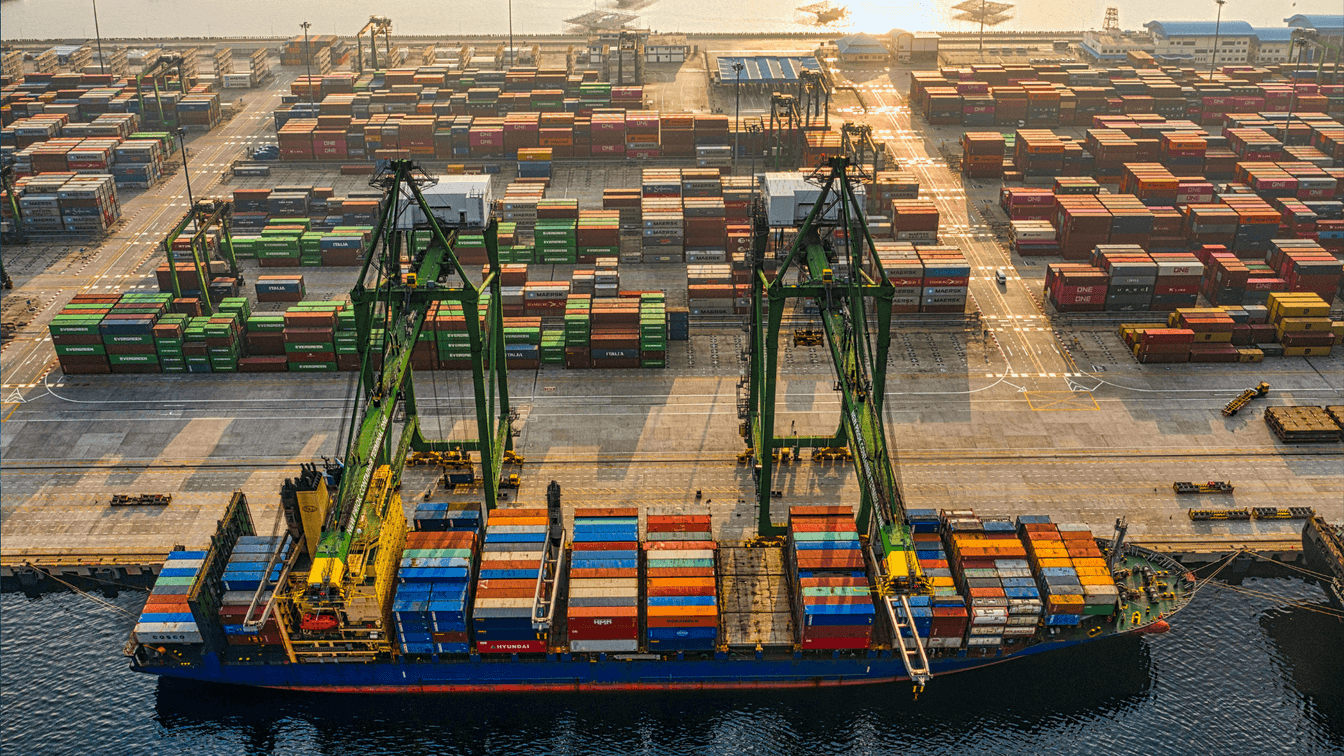
Shipment Exception Summarization
- AI reads carrier delay signals, weather events, and gate logs to summarize exception causes and recommend rerouting options in plain language without anyone writing a report.
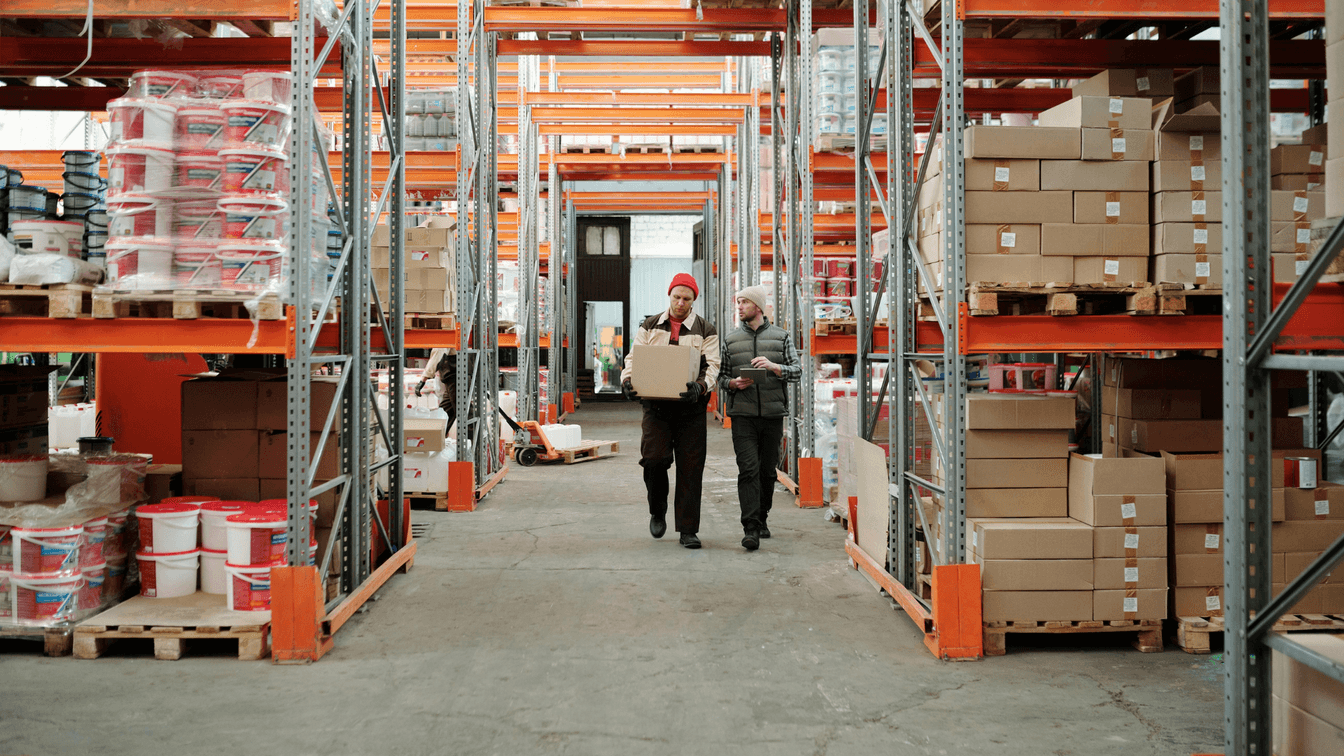
Automated Performance Narratives
- Auto-generate plain-language carrier QBR summaries from raw KPI data. AI writes the story behind the numbers, so your team walks into reviews prepared.
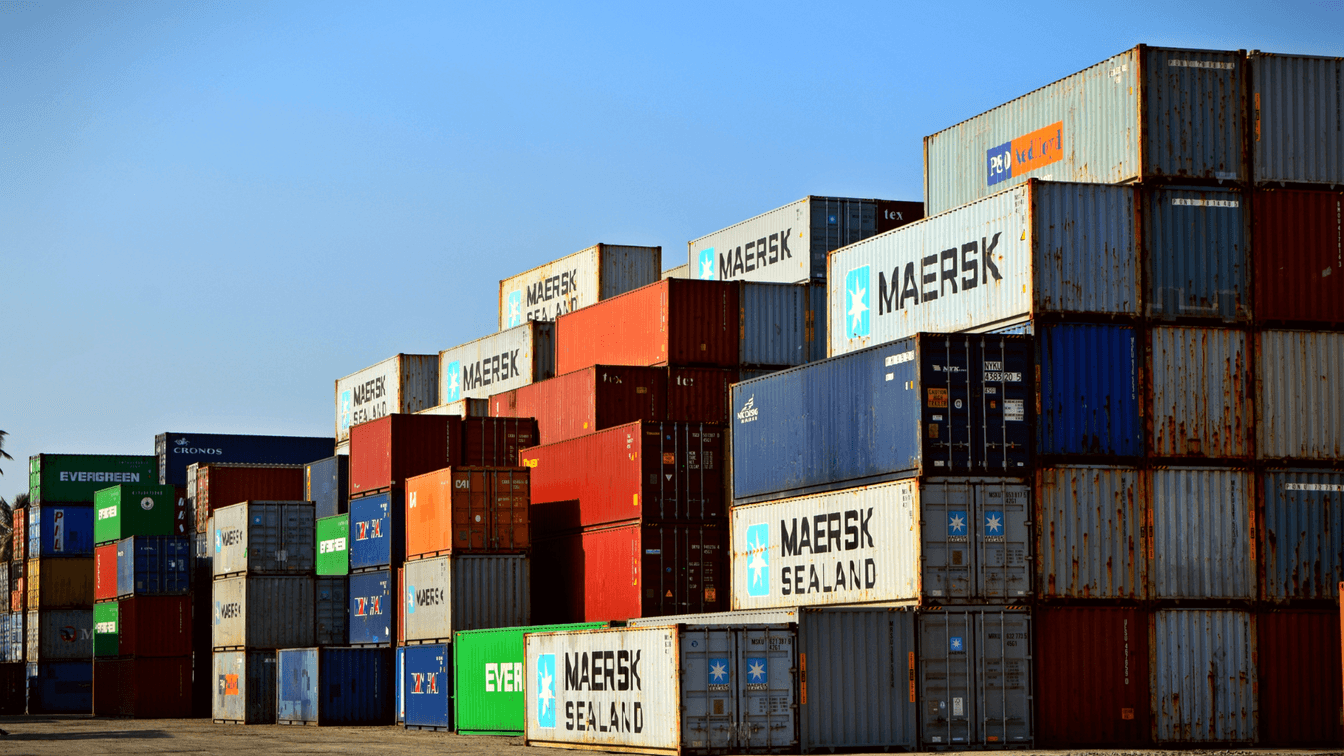
Predictive Volume Forecasting
- ML models trained on your historical shipment data, seasonal patterns, and market signals, so capacity planning stops being reactive and starts being accurate.
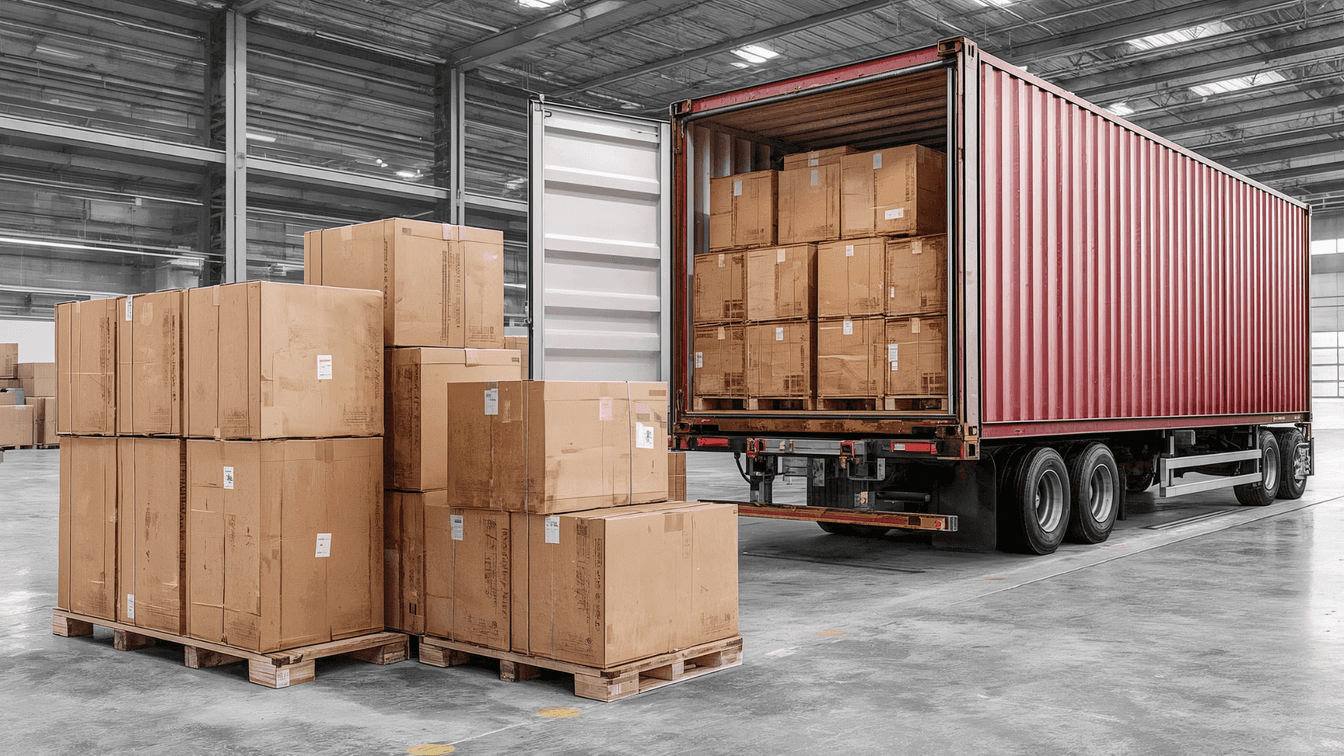
Rate and Contract Intelligence
- AI parses rate cards, contract terms, and accessorial schedules to flag cost overruns and surface negotiation leverage before renewal conversations happen.
Proactive Delay Notifications
- Synthesize tracking data, estimated windows, and root cause context to generate personalized delay updates for customers automatically, at scale.
Document and Audit Assist
- AI extracts key fields from BOLs, invoices, and customs docs to reduce manual entry and flag discrepancies before they surface in audits or claims.
Moving Beyond Traditional Metrics: What Your Logistics Operations Can Achieve Today
Modern AI-Powered Outcomes
Perfect order rate with AI root-cause insights
Cost per unit by lane, carrier, and SKU
AI-predicted delivery reliability
Stockout risk forecasts
Labor efficiency and dock throughput insights
Early AI alerts for potential disruptions
Traditional Metrics
Number of shipments dispatched
Total freight spend
Average transit time
Order volume by week
Warehouse headcount
Exception count
Our Proven Logistics Analytics Framework
A clear approach to unify logistics data, track performance, and improve operations with analytics and AI.
- Connect freight, warehouse, inventory, carrier, order, delivery, and supplier data from multiple systems.
- Bring logistics data into one trusted platform for reporting, analytics, and AI use cases.
- Clean and organize raw logistics data by removing duplicates, fixing missing values, and standardizing formats.
- Analyze shipments, routes, inventory movement, warehouse activity, and delivery performance to identify delays, cost issues, and service gaps.
- Track KPIs such as on-time delivery, freight cost, order cycle time, inventory turnover, perfect order rate, and carrier performance.
- Use insights to improve routes, reduce costs, prevent stockouts, improve warehouse efficiency, and strengthen delivery performance.




Ready to Modernize Logistics with Data and AI?
Talk to Dataplatr experts to improve visibility, efficiency, and decision-making.